A sofa that shares the house with a dog and two small children works harder than most furniture in Albemarle. Claws catch loops, juice finds light colors, and the cushion that looked fine in the showroom can look tired in a year. Choosing fabric for that life is not about finding an indestructible material. It is about matching weave, fiber, and color to the messes you actually get, so cleaning stays routine instead of becoming a rescue job.
Preston's Upholstery L.L.C. handles furniture, automotive, and marine upholstery, and the same logic applies across all three: traffic, sunlight, and moisture decide what lasts. The steps below walk through the checks in the order a shop works through them, from how the piece gets used to the sample test you can do at the kitchen table before you commit to yards of fabric.
Start with the traffic, not the color
Count who uses the piece and how. A reading chair used by one adult at night is low traffic. A family sofa used for homework, snacks, naps, and a dog who claims the corner is high traffic, and it needs a fabric rated for heavy use. Manufacturers rate abrasion resistance in double rubs, which is one back-and-forth pass of a test machine. Light use fabrics sit at the low end, general family use sits in the middle, and heavy use fabrics are tested well beyond that. The number is not a guarantee, but it tells you whether a fabric was built for occasional sitting or daily sprawling.
Be honest about the worst week, not the best one. Pollen season in the Piedmont means windows open and fine yellow dust on every surface. Summer means damp swimsuits and sunscreen on arms. If those land on your furniture, rate the fabric for that reality.
Weave matters more than most people expect
Claws and pet hair both interact with weave first. Loose weaves and raised loops give claws something to catch and hold hair deep in the texture. Tight, flat weaves shed hair so a lint roller or vacuum brush actually removes it, and a claw is more likely to slide than snag. Velvet and chenille feel forgiving and hide marks well, but some versions trap hair. Smooth microfiber and tightly woven synthetics tend to release hair and wipe clean, which is why they show up so often in family rooms.
Natural fibers have their place. Cotton and linen breathe and feel good, but they absorb spills faster and can fade in a sunny Albemarle window. Synthetic fibers generally resist stains and fading better. Blends try to split the difference. None of this makes one fiber right for everyone; it means the label deserves as much attention as the color swatch.
- Rate the traffic. Write down who uses the piece daily, including pets, and pick a double rub rating meant for that level of use rather than a lower decorative rating.
- Check the weave with a fingertip. Run a nail lightly over the sample. If it catches loops or lifts threads, claws will find the same purchase.
- Test the sample. Rub pet hair into it, then vacuum it. Drip water and a dark drink on it, wait a few minutes, and blot. Note what releases and what soaks straight in.
- Hold it in your light. Check the sample morning and evening, in the room where the piece will live. Colors shift, and so does how clearly marks show.
- Ask about cleaning codes. Codes on the bolt tell you whether a fabric takes water-based cleaners, solvent only, both, or vacuum only. Family furniture should tolerate the cleaner you will actually use.
- Decide the pattern last. A small, busy pattern hides crumbs and paw prints between cleanings. Solids show everything, which is honest but demanding. Large patterns also need extra yardage so the design lines up across cushions.
Color, pattern repeat, and the hidden yardage
Mid-tone colors hide the most. Very light fabric shows soil and very dark fabric shows pale pet hair and lint, so the middle range is the practical choice for most Albemarle households. Pattern repeat is the distance before a design starts again, and it affects how much fabric a shop orders. A big repeat on a small chair can waste material at the cutting table because each cushion needs the motif placed well. Ask about repeat before falling for a large print, especially on a matched set.

Removable cushion covers with zippers help, but only if the fabric is washable and the covers go back on without fighting. Performance fabrics add stain resistance into the fiber or as a finish; finishes can wear in the highest traffic spots, so ask how the protection works and how it is renewed, if it can be.
Where the professional line sits
You can test samples, vacuum weekly, and rotate cushions yourself, and those habits extend any fabric's life. Cutting, pattern matching, and fitting belong to the shop, because a fabric that tests well can still fail if it is stretched the wrong way over a curved arm. Bring your test notes when you talk fabric. A short list of what your household does to furniture is more useful than a photo of a room you wish you had.
Common questions
Is leather a good choice with pets?
Leather wipes clean and does not trap hair, but claws can puncture or scratch the surface, and some marks stay visible. It suits many pet households, especially with a smoother finish, but test expectations against your own animals.
What double rub count should a family sofa have?
Look for fabric rated for heavy residential use rather than light or decorative use. Your shop can translate a specific rating for the piece you have, since construction and cushion use matter alongside the number.
Can stain protection be added later?
Some finishes can be applied after upholstery, but they wear unevenly and may change how a fabric feels. Fabric with resistance built in usually performs more evenly over the life of the piece.
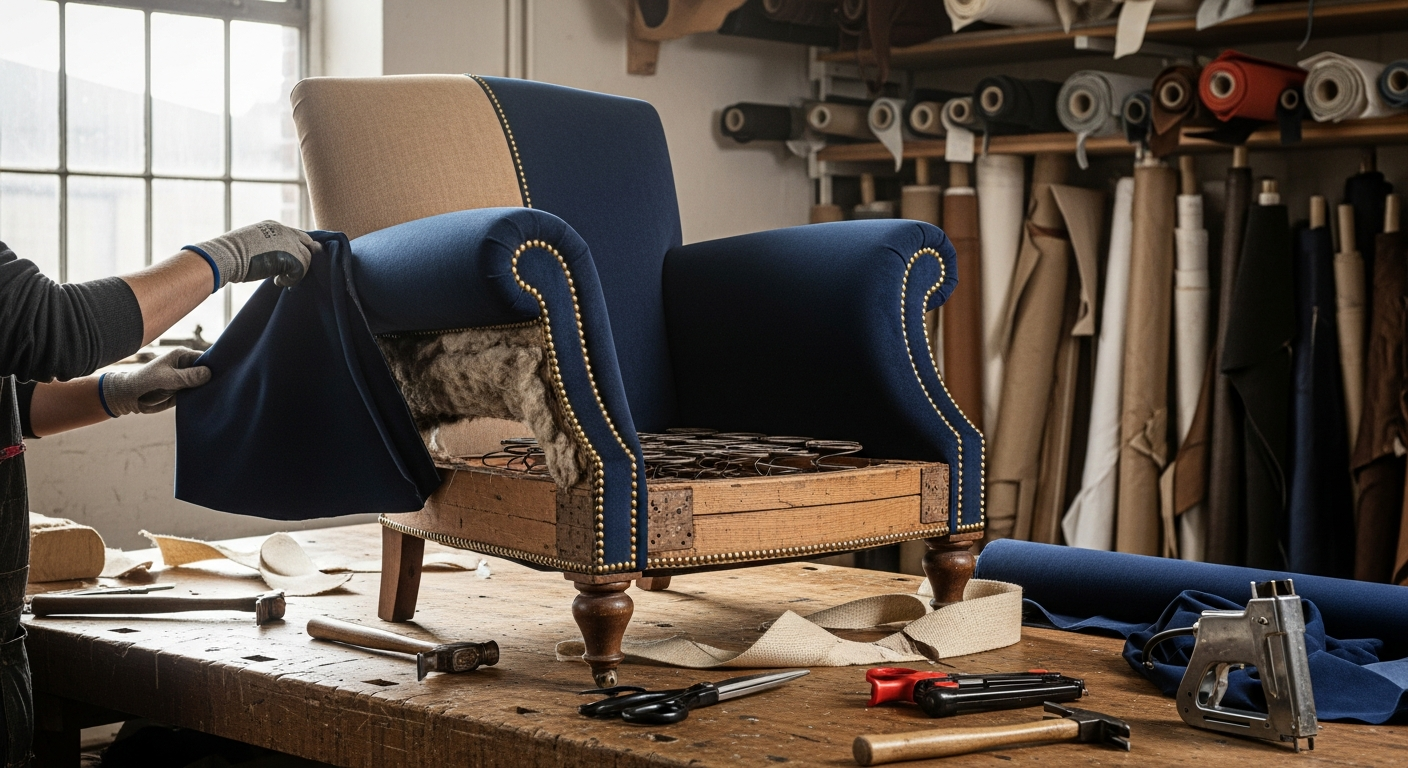
Photos in this guide are representative stock images.
← All guides from Preston's Upholstery L.L.C.← Back to Preston's Upholstery L.L.C.